
How DRM Governance Structures are Shaping Risk Reduction at the Community Level
Published : 08 May 2026
Author: LISA BANDA, Programme Officer - Communications and Advocacy Lead
June 2023 marked a major milestone for disaster risk management (DRM) in Malawi. A new law, the DRM Act, was enacted by Parliament, repealing the 1991 Disaster Preparedness and Relief Act, and a clear paradigm shift from disaster response to risk reduction and preparedness.
The adoption of the DRM Act (2023) ensured alignment with the Sendai Framework and cemented the role of various stakeholders in reducing disaster risks through shared responsibilities.
Supported by Irish Aid through Trócaire, CISONECC has been implementing the Climate and Disaster Risk Management Advocacy project in partnership with Circle for Integrated Community Development (CICOD) and Catholic Development Commission in Malawi (CADECOM), under the broad Irish Civil Society Partnership (ICSP) programme.
The implementation of the ICSP project by CADECOM Zomba in Machinga’s T/A Mposa and Chamba is targeting various groups in the community, including lead farmers, Village DRM Committees (VDRMCs), Advocacy groups, youth and Village natural Resources Management Committees (VNRMCs), to build resilience to climate impacts.
Strengthened Capacities
Committees such as VDRMCs have been trained by CADECOM Zomba on how to effectively execute their duties to manage risk through prevention, mitigation, preparedness, response, recovery, and rehabilitation while fostering collaboration and partnership.
The notable trainings conducted were hot spot mapping, the community-based disaster risk reduction management,
The notable trainings conducted were hot spot mapping, the community-based disaster risk reduction management,
and the CADECOM facilitated the development of community-based disaster action plans.
As part of preparedness efforts, the committee has raised awareness against constructing houses in disaster-prone areas, promoted the construction of check dams, and constructed bridges to ensure continued access to services in times of disasters.
As part of preparedness efforts, the committee has raised awareness against constructing houses in disaster-prone areas, promoted the construction of check dams, and constructed bridges to ensure continued access to services in times of disasters.
Access to Weather Information
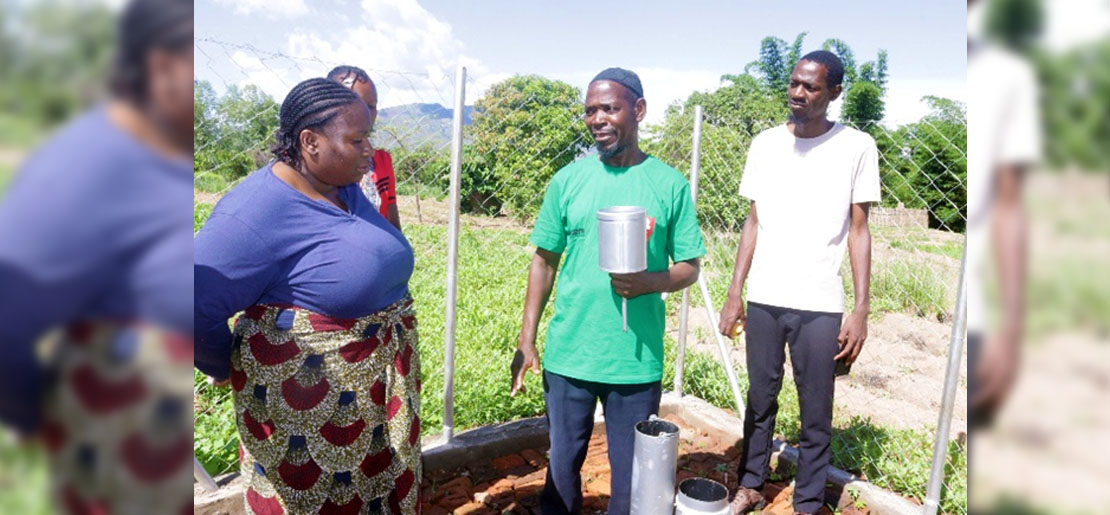
Led by CADECOM Zomba, the VDRMC was provided with a rain gauge to enable access to rainfall information in preparation for the lean season. It was constructed in 2025. The data collectors were trained by the DCCMS. The data gathered here is shared with the Ntaja meteorology office. The rainfall data collected is also shared with the communities through meetings for them to make better decisions on crops to grow and disaster preparedness.
The release of the 2025/2026 seasonal forecast led to informed actions in participatory scenario planning (PSP) conducted in collaboration with communities.
All this has been vital in ensuring access to weather information that informs disaster preparedness and risk reduction.
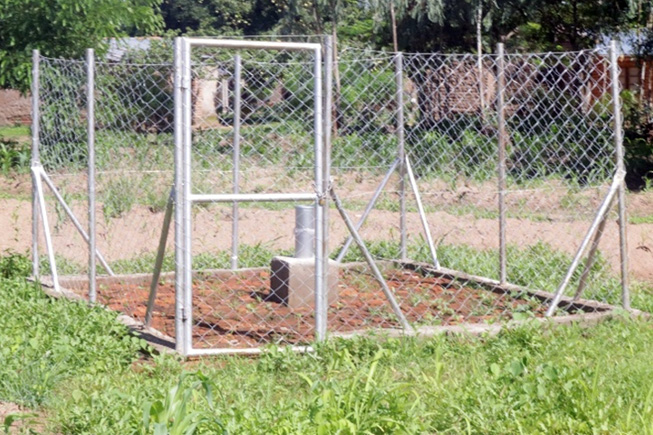 A rain gauge installed in GVH Chipile, T/A Mposa, Machinga
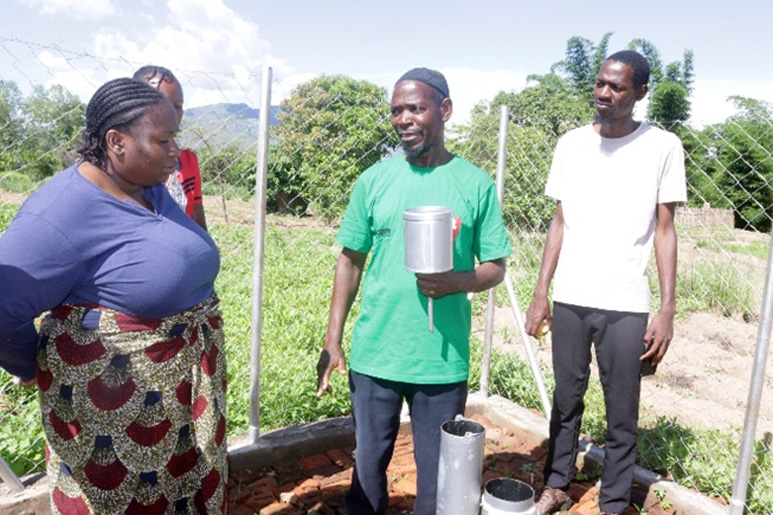 Mr Shaibu Makuleya, GVH Chipile, T/A Mposa, explains to CISONECC staff how they use the rain gauge to inform farming activities in the community.
Awareness of DRM Act, 2023
Following the enactment of the DRM Act (2023), Department of Disaster Management Affairs (DoDMA) has made strides to raise awareness of the law. In support, CISONECC has been a conduit for effective community awareness work to ensure well-informed communities.
In November 2025, CISONECC collaborated with DODMA to raise awareness about the DRM Act in three ICSP target districts of Chikwawa, Machinga, and Balaka. The awareness was aimed at highlighting the roles of various stakeholders; how the Act seeks to foster DRM preparedness & recovery; and penalties for offenses.
The DRM Act establishes the VDRMCs, which play a critical role in Malawi's DRM governance structure. From disseminating weather information and early warnings, to coordinating response & recovery at the community level.
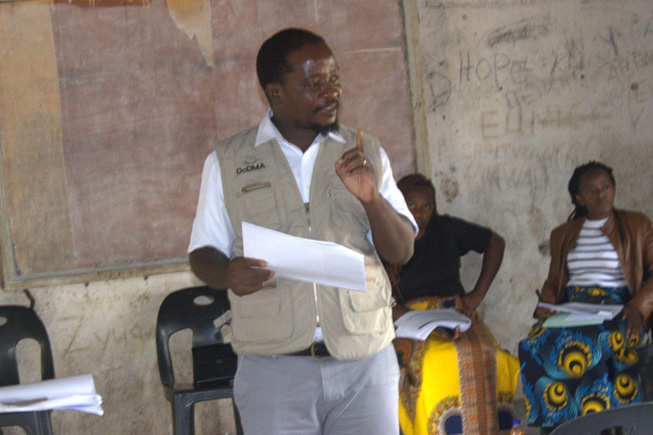 Davie Chibani, DoDMA Disaster Resilience Officer, appraising communities on the DRM Act
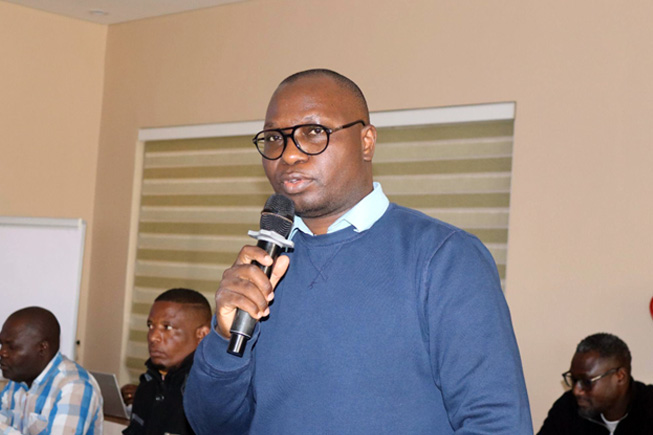 Julius Ng'oma, CISONECC National Coordinator, speaking at a national level stakeholders’ awareness meeting on the DRM Act
Call to Action
Investing in capacity building of the DRM governance structures is a triple win for DRM in Malawi, as it contributes to climate resilience, reduces risks, and protects development gains.